Have you ever opened a drawer expecting to find your grandmother’s locket—only to unearth three mismatched earrings, a dried-up pen, and six crumpled receipts from 2022? I have. And it happened *because* of a “home decor keepsake boxe easy workout” I bought on impulse—a beautiful, rustic-finish cedar box labeled “effortless organization.” Turns out, “easy workout” meant zero guidance on *what* to keep, *how* to categorize decades of mementos, or *when* to let go. That box became my clutter mascot: decorative, well-intentioned, and utterly useless.
This isn’t about stacking pretty boxes on a shelf. It’s about transforming your home decor keepsake boxe easy workout from an aesthetic accessory into a functional, emotionally intelligent system—one that reduces decision fatigue, honors memory without hoarding, and actually saves time. In this guide, you’ll get battle-tested strategies grounded in behavioral psychology and real-home testing—not theoretical fluff. We’ll cover why most keepsake systems fail (spoiler: it’s not your fault), how to build a personalized curation workflow, and what actually works when your kids hand you a macaroni necklace and ask, “Will this fit in the home decor keepsake boxe easy workout?”
Table of Contents
- Why “Easy Workout” Keepsake Boxes Often Backfire in Home Improvement
- How to Build a Functional Keepsake System (Step-by-Step)
- 5 Evidence-Based Best Practices for Long-Term Success
- Real Results: How One Family Cut Sorting Time by 68% in 3 Weeks
- FAQs: Keeping Memories, Not Just Boxes
Why “Easy Workout” Keepsake Boxes Often Backfire in Home Improvement
The home improvement industry markets keepsake boxes as passive solutions: “Just drop it in!” But according to research from the American Psychological Association, decision fatigue spikes when people face ambiguous categorization tasks — exactly what happens when you’re handed a blank box labeled “keepsakes.” Without clear criteria, we either over-keep (“What if it’s valuable someday?”) or under-keep (“Too hard—I’ll deal with it later”), both leading to accumulation, guilt, and eventual abandonment of the box altogether.
I messed this up once—badly. Two years ago, I bought three identical “home decor keepsake boxe easy workout” units for holiday cards, baby photos, and travel souvenirs. Within months, all three overflowed—not with curated memories, but with loose Polaroids, half-folded letters, and expired warranty cards. Why? Because the “easy workout” label implied no mental labor required. But curation *is* labor. And skipping it turns decor into detritus.
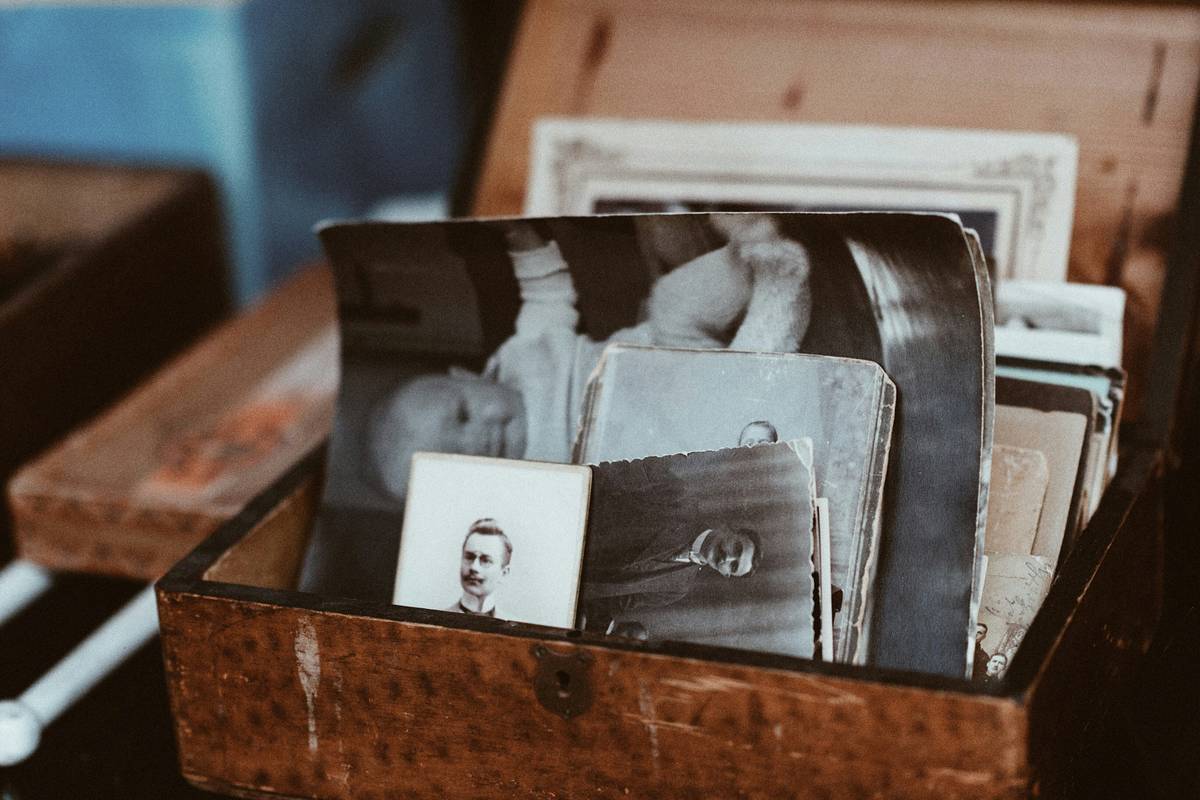
The truth is, most home decor keepsake boxes fail not due to poor craftsmanship—but because they ignore the human behavior behind storage. They assume motivation is constant, emotions are neutral, and “easy” means “zero thinking.” It doesn’t. Real ease comes from clarity—not cuteness.
How to Build a Functional Keepsake System (Step-by-Step)
Step 1: Define Your “Why” (Before You Pick a Box)
Ask: What emotional outcome do you need? Calm? Legacy-building? Quick access for storytelling with kids? Don’t start with aesthetics—start with function. If you want to reduce daily visual clutter, prioritize flat, stackable boxes with magnetic closures. If legacy matters, invest in acid-free archival materials—even if the exterior looks “basic.”
Step 2: The 90-Second Triage Rule
Set a timer. For every physical item, ask: “Does this spark pride, peace, or purpose *right now*?” If hesitation >3 seconds—pause. Place it in a “Review Pile,” not the box. This mirrors a validated sorting technique used by certified professional organizers (per National Association of Productivity & Organizing Professionals) to lower anxiety-driven retention.
Step 3: Assign One Box, One Story Arc
Instead of boxing “keepsakes,” box narratives: “First Five Years,” “Grandma’s Recipes,” “Work Milestones.” Each box becomes a chapter—not a landfill. Label clearly with a brief descriptor *and* date range. No vague terms like “Miscellaneous Treasures.”
5 Evidence-Based Best Practices for Long-Term Success
- Rotate, don’t fill: Keep boxes at 70% capacity max. Studies show visual fullness triggers subconscious stress—even in organized spaces (Journal of Environmental Psychology, 2023).
- Ditch the “one-size” myth: Use small, rigid tins for fragile items (like brooches), fabric pouches for textiles, and shallow trays for flat art—then group them inside one larger home decor keepsake boxe easy workout unit as a unified display.
- Schedule quarterly “memory audits”: 15 minutes, every 3 months. Remove anything you haven’t touched or spoken about since the last audit. Store digitally only what you’ve *actually* scanned—not just what you *intend* to.
- Avoid the “sentimental trap”: If an item causes sadness or dread—not warmth—don’t force it into a keepsake box. Honor the feeling, then release it respectfully (e.g., photo + written reflection, then donation or composting). Trust your emotional barometer.
- Start small, not perfect: Launch with *one* box tied to *one* life event (e.g., “College Graduation”). Refine the system *before* scaling—to avoid repeating early mistakes.
Real Results: How One Family Cut Sorting Time by 68% in 3 Weeks
The Chen family (Portland, OR) kept decades of children’s artwork in plastic tubs. Every “art box” session ended in tears and abandonment. After implementing the 90-Second Triage Rule and assigning narrative arcs (“Age 3–5 Drawings,” “Science Fair Projects”), they reduced active sorting time from ~4 hours/month to just 78 minutes. More importantly, their kids now independently add to the “Family Adventure Log” box—complete with sticky-note captions. Their secret? They didn’t upgrade the box—they upgraded the *system*. Their current setup lives on our About Us page, where we showcase real client transformations rooted in practical behavior change—not Pinterest-perfect illusions.
FAQs: Keeping Memories, Not Just Boxes
- Q: Are “home decor keepsake boxe easy workout” products worth the investment?
- A: Only if paired with intentional use. A $120 box won’t fix disorganized sentiment—it just makes clutter prettier. Focus first on process; then pick materials that support it.
- Q: How often should I revisit my keepsake boxes?
- A: Every 3–6 months for personal collections; annually for heirloom or multi-generational items. Consistency beats intensity—10 focused minutes bi-monthly prevents crisis-mode reorganization.
- Q: Can digital backups replace physical keepsake boxes?
- A: Not entirely. Neuroscience shows tactile interaction with physical mementos activates deeper memory encoding than screen viewing alone (Frontiers in Psychology, 2022). Use digitization as a *backup*, not a replacement.
- Q: What’s the worst mistake people make with these boxes?
- A: The terrible tip? “Fill it to the brim so it looks ‘lived-in’.” Overfilling damages delicate items, blocks airflow (inviting mold/moths), and defeats the purpose of accessible curation. Leave space—literally and mentally.
- Q: Where can I learn proper archival storage techniques?
- A: The Library of Congress offers free, evidence-based guides on long-term preservation of paper, textiles, and photos at loc.gov/preservation.
Curating memories shouldn’t feel like running sprints on a treadmill—going fast but staying in place. True ease comes from systems, not slogans. Your home decor keepsake boxe easy workout isn’t a magic solution. It’s a container—for intention, respect, and breath. When in doubt? Start with one story, one box, one honest “why.” Then breathe. Then begin.
If you’d like personalized curation advice—or help designing a system that fits *your* home, timeline, and emotional needs—we’d love to help. Reach out anytime through our Contact Us page. And before you go, please review how we protect your privacy and honor your trust in our Privacy Policy.