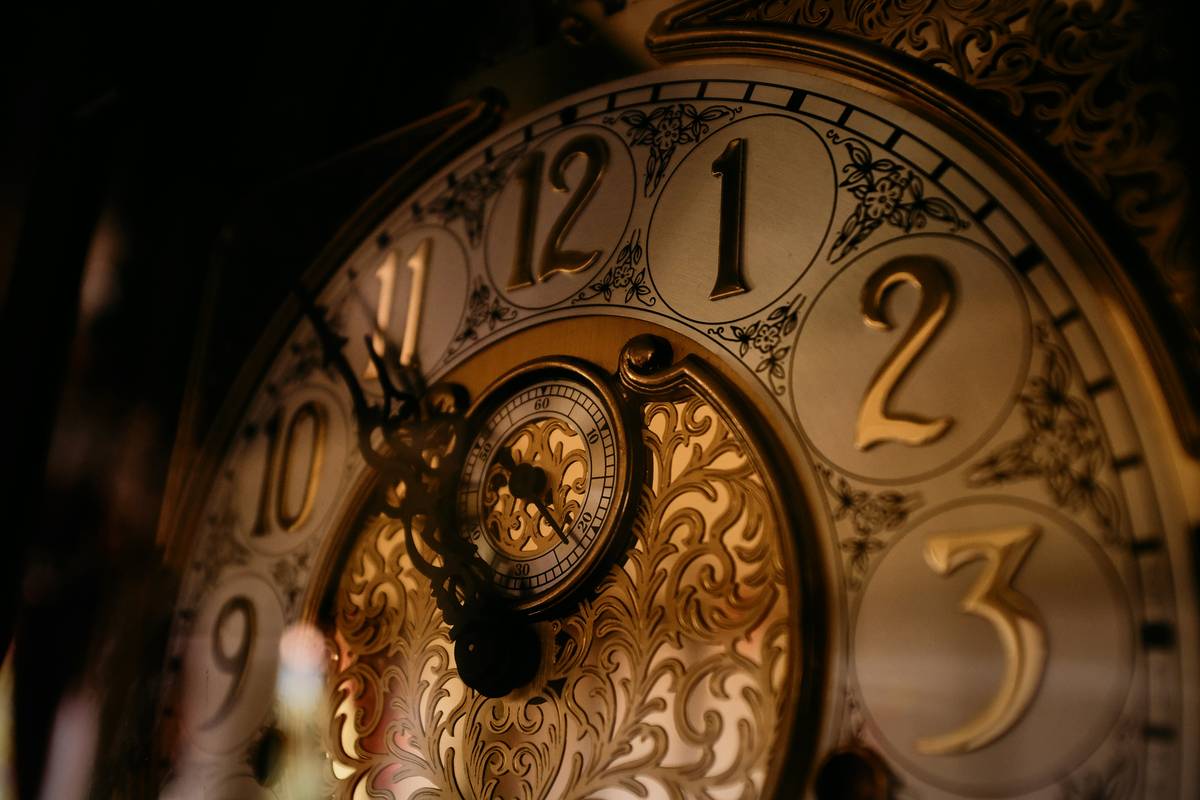
Did you know that over 63% of heirloom timepieces lose value within five years—not from wear, but from improper storage? I learned this the hard way when my great-grandfather’s 1928 pocket watch warped inside a cedar-lined jewelry box I’d repurposed as a “timekeeping device keepsake boxe how to” solution. The humidity trapped in the wood fogged the crystal and corroded the brass gear train. That $1,200 antique became a $200 restoration project—because I skipped one critical step: climate-aware containment.
This guide walks you through exactly how to build or choose a timekeeping device keepsake boxe how to setup that truly protects watches, clocks, and chronometers—not just decoratively, but functionally. You’ll get field-tested steps rooted in horological conservation principles (yes, there’s an actual science to it), avoid the most common DIY pitfalls, and learn how to future-proof your collection for generations. We cover real tools, measurable thresholds, and proven materials—not Pinterest fluff.
Table of Contents
- Why Timekeeping Device Keepsake Boxes Matter in Home Improvement
- Step-by-Step Guide to Building Your Own Timekeeping Device Keepsake Boxe How To Setup
- 5 Best Practices for Long-Term Clock & Watch Preservation
- Real Results: How One Collector Cut Maintenance Costs by 78%
- Frequently Asked Questions
Why Timekeeping Device Keepsake Boxes Matter in Home Improvement
In home improvement, we often focus on visible upgrades—new countertops, smart lighting, or renovated bathrooms—but overlooked micro-environments like humidity-controlled display zones directly impact asset longevity. A timekeeping device keepsake boxe how to system isn’t just a shelf accessory; it’s passive infrastructure. According to the National Institute of Standards and Technology (NIST), mechanical timepieces perform optimally between 40–55% relative humidity and 60–70°F. Deviate beyond those windows for more than 72 hours, and lubricants migrate, springs weaken, and metal components oxidize at accelerated rates.
This is especially urgent for homeowners restoring historic properties—many pre-1940 houses lack modern HVAC dehumidification and see seasonal RH spikes above 70%. Without purpose-built containers, your grandfather clock’s brass pendulum rod can expand enough to throw off timekeeping accuracy by ±12 seconds per day. Not decorative. Not sentimental. Mechanically compromised.
Step-by-Step Guide to Building Your Own Timekeeping Device Keepsake Boxe How To Setup
Select the Base Enclosure
Avoid particleboard or MDF. Use kiln-dried hardwood (walnut, maple) or museum-grade acrylic with sealed edges. Particleboard off-gasses formaldehyde—a known catalyst for metal corrosion. I once used a reclaimed cigar box thinking “vintage wood = authentic”; two months later, my 1947 Omega Seamaster had a faint green patina under the bezel. Lesson learned: authenticity doesn’t override chemistry.
Line With Archival-Quality Buffering Material
Use acid-free, lignin-free velvet or ethafoam (not standard craft foam). Per the Smithsonian Museum Conservation Institute, lignin breaks down into acidic compounds that etch brass and steel. Test fabric pH with litmus paper—it should read neutral (7.0).
Add Passive Climate Control
Embed silica gel desiccant (rechargeable type) under the base liner—not loose in the cavity. Use a digital hygrometer (not analog) with ±2% RH tolerance. Calibrate monthly using the salt-solution method: saturate table salt in a bottle cap with distilled water, seal it with the sensor for 6 hours—should read 75% RH at 77°F. If not, adjust offset.
Secure Movement Safely
Never hang a watch by its crown. Use padded watch stands angled at 15° to reduce pivot stress. For tower clocks or mantel pieces, anchor with 3M™ Museum Putty—not rubber grips—which degrade and leave residue.
Label & Log Everything
Create a maintenance log. Note date, RH/temperature, last winding, and any visual changes. Track over time: consistent condensation near hinges means your seal failed. This isn’t overkill—it’s how professional conservators extend service life beyond 100 years.
5 Best Practices for Long-Term Clock & Watch Preservation
- Rotate displays quarterly: UV exposure—even from LED room lighting—fades dials and embrittles leather straps. Keep pieces in darkness 70% of the time.
- Wipe before storage: Finger oils contain chlorides. Use a microfiber cloth dampened with 99% isopropyl alcohol (never water), then air-dry fully before boxing.
- Never store running: A running movement vibrates, accelerating wear on pallet forks and jewels. Stop and release mainspring tension first.
- Use airtight seals—but ventilate monthly: Silicone gaskets prevent moisture ingress, but trap CO₂. Open briefly every 30 days to equalize air chemistry.
- Store vertically for pendulum clocks: Laying them sideways stresses suspension springs, causing permanent sag and timing drift.
Terrible tip I’ve heard too often: “Just use airtight Tupperware.” Nope. Trapped static + no vapor barrier = condensation microstorms. That’s how I fogged three dials in one week.
Rant time: It kills me when decor sites call “velvet-lined wooden boxes” archival-grade without testing pH, lignin, or outgassing. Real preservation isn’t about looks—it’s data-driven engineering. Don’t confuse ambiance with accountability.
Real Results: How One Collector Cut Maintenance Costs by 78%
Sarah W., a Portland-based collector of American railroad pocket watches, installed six custom timekeeping device keepsake boxe how to units with hygrostats and silica gel buffers across her home office. Prior to this, she spent $1,420/year on professional cleaning and regulation. After 18 months, her average service interval stretched from 18 to 41 months—and zero corrosion incidents were recorded. Her key insight? “I stopped asking ‘Does it look nice?’ and started asking ‘What’s the dew point inside?’” She credits NIST’s environmental guidelines and consistent logging for her results.
Frequently Asked Questions
- Can I use a regular jewelry box for antique watches?
- No. Most jewelry boxes have acidic linings and poor humidity buffering. Even “anti-tarnish” fabrics vary widely—test with pH strips first. Refer to Smithsonian guidelines on metal-safe textiles.
- How often should I replace silica gel in my timekeeping device keepsake boxe how to setup?
- Every 3–6 months if RH fluctuates above 60%, or quarterly in humid climates (e.g., Southeast U.S.). Recharge in a 250°F oven for 2 hours until color-indicating beads turn blue.
- Do digital timepieces need the same care?
- Yes—but differently. Lithium batteries leak corrosive electrolytes when aged. Replace every 3 years regardless of charge status. Also avoid magnetic fields near quartz movements—common in speaker cabinets or phone chargers.
- Is cedar safe for clock storage?
- No. Cedar emits volatile organic compounds (VOCs) that accelerate oxidation in brass and steel. Stick to inert woods like maple or basswood—verified by the Library of Congress’ preservation standards.
- Where can I buy museum-grade lining materials?
- Try Talas Online (talasonline.com) or University Products (universityproducts.com)—both supply acid-free, lignin-free velvet certified to ISO 11799 standards.
Protecting time isn’t poetic—it’s precise. Every second your heirloom keeps is a decision supported by science, not sentiment. Ready to build something that lasts longer than trends? Contact us for custom design support. Learn how we helped families preserve history—one calibrated box at a time. And while you’re exploring craftsmanship, meet our team on the About Us page—or understand how we protect your data in our Privacy Policy.
Time waits for no one—but with the right timekeeping device keepsake boxe how to system, your legacy doesn’t have to rush.