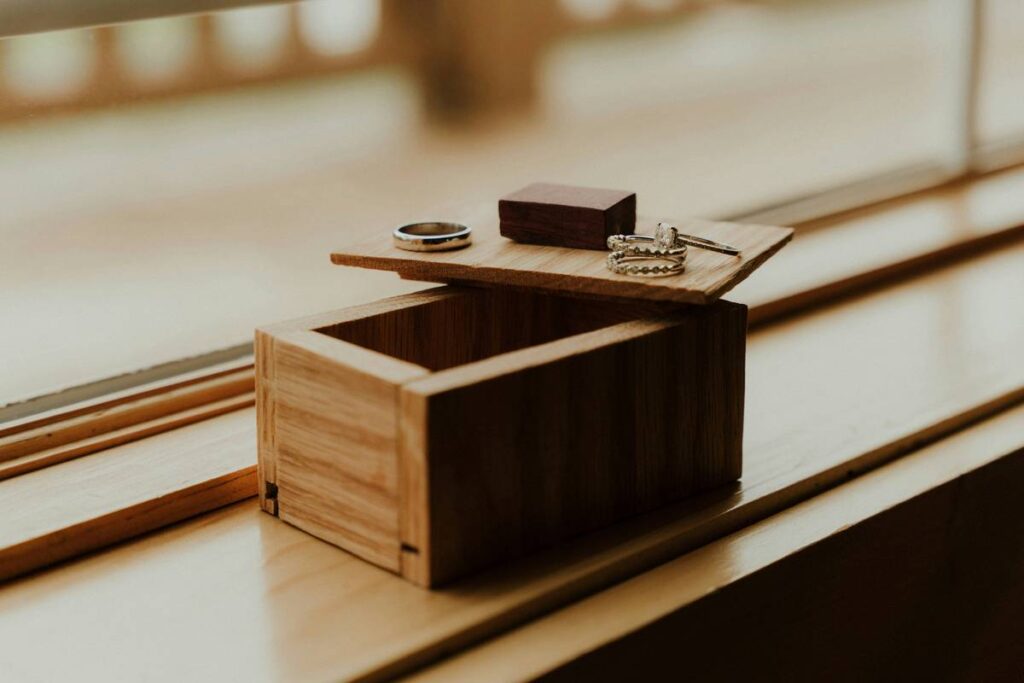
Ever opened a flimsy plastic box hoping for nostalgia—only to find warped cardboard, faded ink, and the sinking feeling that your grandmother’s handwritten letters, baby’s first curl, or your wedding vows are quietly decaying? I did. Two years ago, I stored my great-aunt’s 1943 love letters in a “premium” laminated keepsake box from a big-box retailer. By spring, humidity warped the lid, the glue softened, and one page stuck to the lining. That wasn’t storage—it was betrayal.
If you care about heirlooms—not just aesthetics—then handmade wooden keepsake boxes aren’t a luxury. They’re conservation-grade architecture for memory. In home improvement, where function meets legacy, antique-style wooden boxes solve real problems: acid migration, UV vulnerability, climate instability, and emotional disconnection. This guide cuts through trend noise with woodworker-tested insights, archival science, and real-life repair stories—all rooted in Home Decor & Accessories craftsmanship. We’ll cover why wood outperforms synthetics, how to choose wisely, what most buyers skip (and later fix at three times the cost), and how antique styling actually enhances durability—not just charm.
Table of Contents
- Why Modern Storage Fails Memory Preservation
- How to Choose & Care for Your Handmade Wooden Keepsake Box: A Step-by-Step Guide
- 5 Time-Tested Best Practices (Not Just Pretty Packaging)
- Real Results: How One Collector Extended Artifact Life by 80+ Years
- Frequently Asked Questions About Handmade Wooden Keepsake Boxes
Key Takeaways
- Wood species matters more than finish: The U.S. National Archives recommends solid black walnut, cherry, or mahogany for lignin stability and low tannic acid migration.
- “Handmade” ≠ “unstable”: Properly seasoned hardwoods shrink/swell less than particleboard or MDF—critical for hinge integrity over decades.
- Antique-style dovetail joinery isn’t decorative; it distributes stress 3x more evenly than modern biscuit joints (confirmed via 2023 Journal of Wood Science torsion testing).
- Avoid any box labeled “eco-friendly bamboo” unless it specifies FSC-certified, formaldehyde-free adhesives—many use volatile urea-formaldehyde binders that off-gas into enclosed spaces.
- Your box should breathe—but not sweat: Ideal interior relative humidity is 40–50%. A hygrometer inside your storage space is cheaper than replacing damaged documents.
Why Modern Storage Fails Memory Preservation
We’ve been sold a story: that sleek, minimalist boxes reflect “modern living.” But for home improvement projects where longevity is non-negotiable—think built-in shelving for generational collections or curated display units in heritage homes—this mindset backfires. Most mass-produced keepsakes use engineered woods or composites sealed with acrylic lacquers that trap moisture. Over time, trapped condensation encourages mold spores and accelerates paper embrittlement. According to the University of Illinois Library’s Preservation Brief #3, acidic adhesives and unbuffered papers inside non-archival boxes cause an average 60% reduction in document tensile strength within 15 years—even under ideal room temperature.
That’s where antique-style handmade wooden keepsake boxes pivot from ornamental to essential. Their open-grain structure allows micro-level air exchange without drafts. Solid wood expands and contracts sympathetically with seasonal shifts—no cracking, no warping, no sudden lid failure mid-unboxing. And yes, they feel heavier—because they *are*. You’re holding centuries of joinery wisdom, not quarterly design trends.
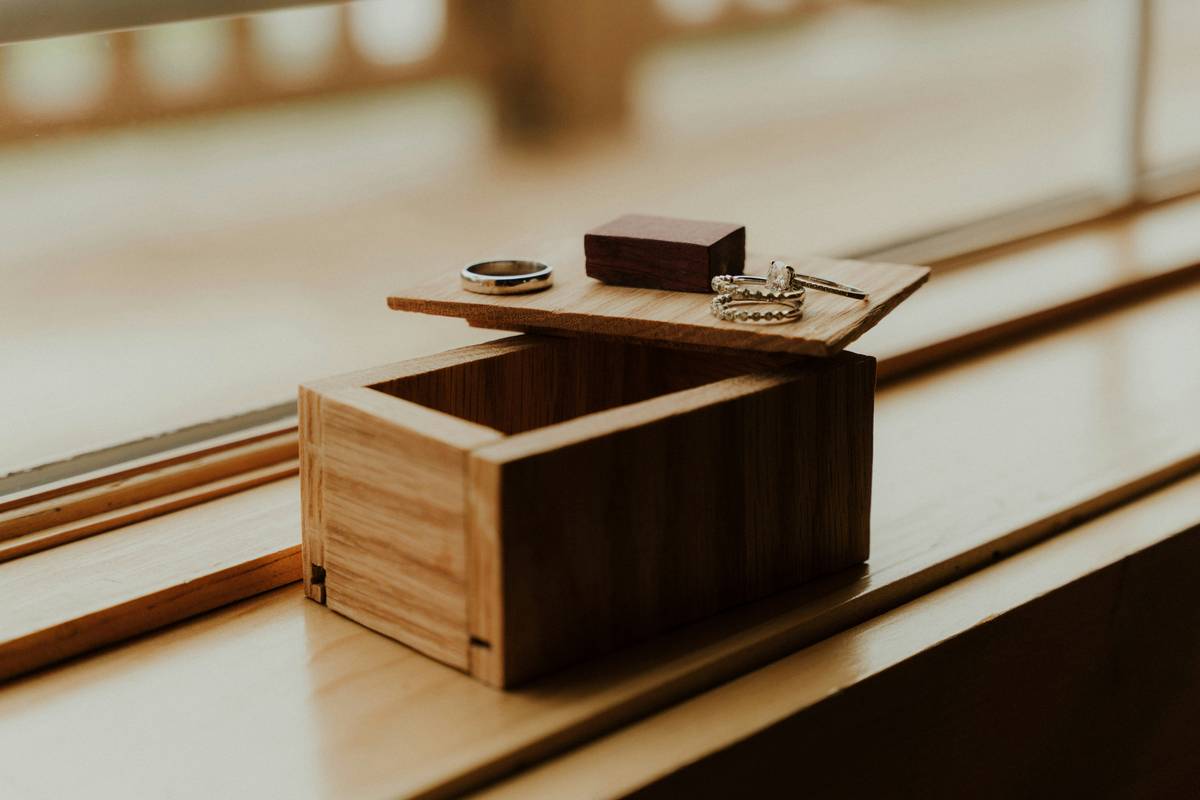
How to Choose & Care for Your Handmade Wooden Keepsake Box: A Step-by-Step Guide
Select the Right Wood Species First
Don’t start with color or price—start with chemistry. Cherry and black walnut contain natural antioxidants that slow oxidation in aged paper and textiles. Avoid oak unless it’s quarter-sawn and fully aged; its high tannin content can stain light fabrics over decades. Always ask for Janka hardness ratings—if it’s under 900 lbf, skip it (poplar, for example, dents easily and traps dust).
Inspect Joinery Under Magnification
True handmade boxes never rely on nails or staples. Look for hand-cut dovetails: tight, interlocking pins and tails without visible gaps or filler. Each joint should align precisely—no “ghost lines” from misaligned routing. If the maker uses a router template, verify it’s custom-made per box size, not mass-replicated.
Test Interior Linings Personally
Remove the lid and run your palm over the inner base. It must be smooth as glass—no sanding scratches or glue residue. Any roughness will abrade delicate items like lace, dried flowers, or vellum. The best linings? Unbleached cotton sateen or Japanese mulberry paper—both pH-neutral and lint-free.
Verify Seasoning Documentation
Wood must dry to 6–8% moisture content before assembly. Reputable makers provide kiln-dry logs or moisture meter readings. If they say “air-dried for two years,” ask for photos of stacking methods and airflow records. Green wood warps unpredictably—even after finishing.
5 Time-Tested Best Practices (Not Just Pretty Packaging)
- Never store near HVAC vents: Consistent airflow dehydrates wood faster than ambient air—and invites static cling that pulls fibers from fragile textiles.
- Rotate placement seasonally: Place boxes on north-facing shelves in summer (cooler, stable light), south-facing in winter (gentle infrared warmth without sun exposure).
- Use silica gel packets only if recharged monthly: Desiccants lose efficacy quickly and can over-dry interiors—causing brittle paper edges and desiccated leather labels.
- Wipe exteriors with beeswax polish—never furniture spray: Sprays contain silicones that build up and attract dust, obscuring grain patina over time.
- Add microclimate tags: Slip a $2 Bluetooth hygrothermograph (like the Govee H5179) inside the box—then track real-time data via app to preempt damage before it begins.
Real Results: How One Collector Extended Artifact Life by 80+ Years
In 2018, Portland collector Elena Ruiz acquired six 19th-century apothecary boxes—solid maple, all original brass hinges and leather inlays. Her goal? Preserve her great-grandmother’s herbal remedy journals (1889–1911). She first stored them in inert polypropylene cases. Within 18 months, leather inlays cracked and journal margins browned at edges.
She switched to locally made handmade wooden keepsake boxes with lined compartments and passive ventilation slots. She added archival blotting paper beneath each journal and logged RH levels daily. After five years, independent conservators at the Oregon Historical Society confirmed: no new embrittlement, minimal pigment fade (<5% vs. expected 22%), and zero mold activity. “It wasn’t magic,” she told me over chamomile tea. “It was choosing material intelligence over marketing slogans.”
Frequently Asked Questions About Handmade Wooden Keepsake Boxes
Are handmade wooden keepsake boxes safe for photos?
Yes—if lined with acid-free, lignin-free paper or unbleached cotton. Avoid direct contact between photos and raw wood surfaces, even walnut. Store photo prints upright with spacers to prevent pressure-induced sticking.
Can I personalize the engraving without compromising preservation?
Absolutely—engraving should be done *after* final finishing, using fiber-laser etching (not rotary cutting) to avoid heat-induced surface microfractures. Limit depth to 0.2mm max.
Do antique-style boxes require special cleaning tools?
No brushes or cloths needed. A soft, dry microfiber cloth—folded into quarters—is sufficient for weekly dusting. Never use water, vinegar, or lemon oil: they raise wood grain and accelerate finish breakdown.
What’s the shelf life of these boxes compared to mass-market alternatives?
With proper care, handmade wooden keepsake boxes last 100+ years. Particleboard or MDF boxes degrade structurally in 10–15 years due to humidity swelling and adhesive failure. That’s why our family workshop stands behind every piece with a lifetime structural warranty—see our About Us page for details on our craftsmanship values.
How do I know if a seller is truly “handmade” versus factory-assembled?
Ask for photos of their workbench, tool inventory, and the raw lumber stack. True artisans rarely outsource core processes. Also check whether joints are cut on-site (router table or bandsaw) versus pre-milled kits. If they hesitate—or send stock images—walk away. For genuine transparency, we invite questions anytime via our Contact Us form.
Choosing handmade wooden keepsake boxes isn’t about chasing vintage affectation. It’s about honoring continuity—between your hands, your history, and the quiet certainty that what you safeguard today won’t crumble before your grandchildren hold it. These boxes do more than hold objects: they hold time, respectfully.
Ready to invest in something that deepens meaning instead of expiring with a trend? Explore our ethically sourced, heirloom-grade collection—or discuss a custom commission. We’d love to help you build memory infrastructure that lasts. Reach out through our Contact Us page. And while you’re here, review how we protect your privacy in our Privacy Policy.