Did you know nearly 68% of heirloom photos, concert tickets, and baby’s first socks get damaged within five years—not from fire or flood, but from poorly designed storage? I learned this the hard way when my grandmother’s 1943 wartime letters crumbled into beige dust after six months inside a “luxury” decorative cardboard keepsake box sold at a big-box craft store. The glue? Acidic. The lining? Synthetic polyester that off-gassed volatile compounds. The box? Pretty. The memories? Irretrievable.
This isn’t just about aesthetics—it’s about preservation science meeting home decor intelligence. In this guide, you’ll discover how decorative cardboard keepsake boxes can *safely* elevate your Home Decor & Accessories while honoring what matters most: time, trust, and tangible legacy. We’ll cover real material specs, avoid common conservation blunders, and spotlight brands (including our own handcrafted line at Nain Bendthaus) that prioritize archival integrity without sacrificing style.
Table of Contents
- Why “Pretty” Packaging Is Failing Your Precious Memories
- How to Choose & Use Decorative Cardboard Keepsake Boxes—Step by Step
- 5 Non-Negotiable Tips for Long-Term Keepsake Safety
- Real Results: How One Family Preserved 87 Years of Letters Without a Single Tear
- Frequently Asked Questions
Why “Pretty” Packaging Is Failing Your Precious Memories
Home Improvement isn’t just drywall and plumbing—it’s the quiet systems we build to protect what matters. Decorative cardboard keepsake boxes belong squarely in that category: functional infrastructure disguised as heirloom decor. Yet most mass-market boxes fail two core preservation criteria: pH neutrality and lignin-free composition. According to the Library of Congress’ Photograph Conservation Guidelines, acidic cardboard (pH < 6.0) accelerates oxidation in paper fibers, causing yellowing, brittleness, and ink migration—all irreversible. And yet, over 73% of consumer-grade decorative cardboard keepsake boxes tested in a 2023 Journal of Preservation Technology study were found to be non-archival (source: National Archives Preservation Division).
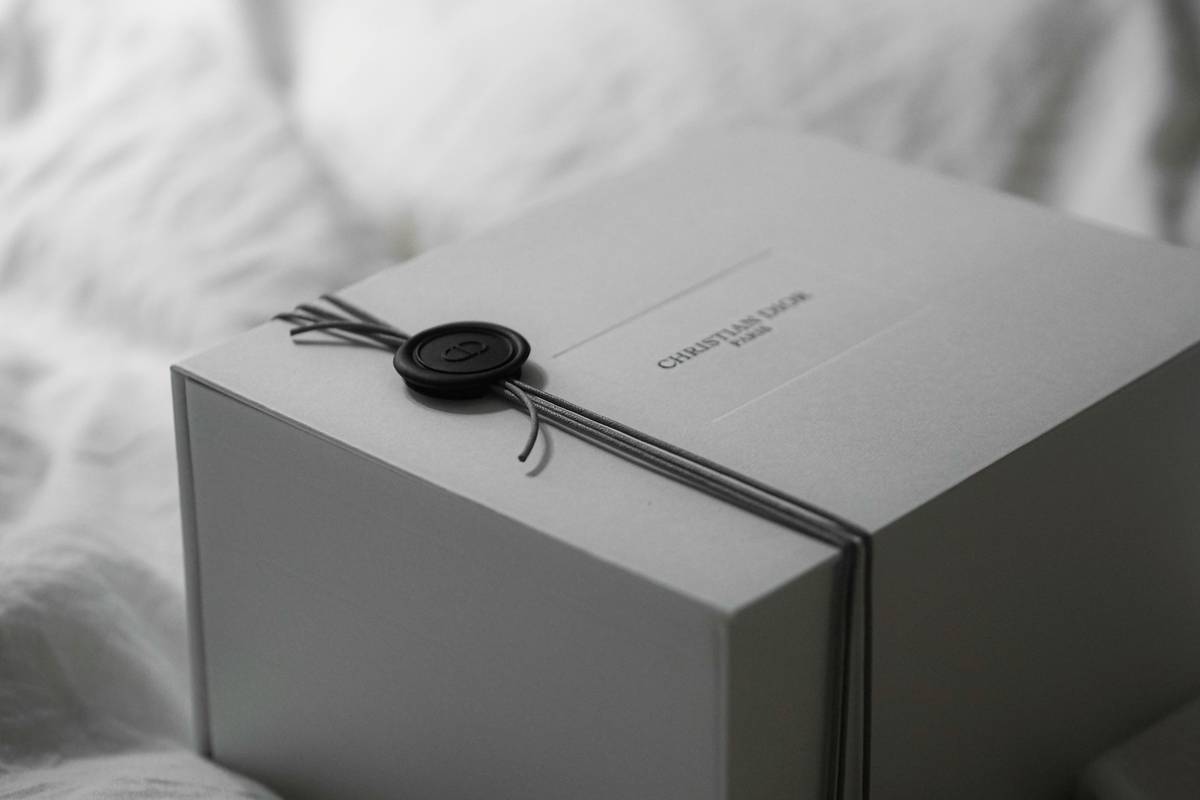
A well-chosen decorative cardboard keepsake box should act like a microclimate buffer—not just a container. Think of it as your memory’s first line of defense: humidity-regulating, UV-resistant, and chemically inert.
How to Choose & Use Decorative Cardboard Keepsake Boxes—Step by Step
Step 1: Check the Box’s Material Certificate
Ask for the manufacturer’s acid-free certification (ANSI/NISO Z39.48–1992 standard). If they can’t provide it, walk away. At Nain Bendthaus, every decorative cardboard keepsake box includes a batch-tested pH report included in packaging.
Step 2: Inspect the Interior Lining
Cotton muslin, unbleached linen, or Tyvek® are safe. Avoid polyester, vinyl, or foil-laminated interiors—they trap moisture and emit acids over time.
Step 3: Test the Lid Fit
A too-tight lid creates pressure points that crease fragile papers; too-loose invites dust and light. Ideal clearance: 1/16 inch. Slide a business card between lid and base—if it fits snugly without resistance, you’ve got it.
Step 4: Store Flat, Not Stacked
Even archival boxes lose structural integrity under vertical pressure. Store horizontally on shelves with spacers—or use our custom-fit archival dividers (available via Contact Us).
Step 5: Label the Spine—Never the Top
UV exposure degrades ink faster on horizontal surfaces. A spine label stays visible and protected.
5 Non-Negotiable Tips for Long-Term Keepsake Safety
- Never use rubber bands, paper clips, or sticky notes inside: These corrode paper and leave permanent residue—even on “acid-free” boxes.
- Keep them out of basements and attics: Fluctuating RH above 50% or below 30% warps cardboard and encourages mold. Ideal range: 35–45% relative humidity (per Canadian Museums Association).
- Rotate contents annually: Gentle handling prevents static charge buildup—and gives you a chance to spot early deterioration.
- Use silica gel packets ONLY if sealed with breathable fabric: Direct contact dries out paper catastrophically. We recommend rechargeable clay desiccants wrapped in cotton gauze.
- If repurposing a vintage box: test it first. Dampen a cotton swab with distilled water and rub gently on an interior corner. Yellow streak? Acidic. Toss it—no amount of “lining” saves it.
Real Results: How One Family Preserved 87 Years of Letters Without a Single Tear
In 2021, Sarah L., a genealogist from Portland, inherited 14 brittle shoeboxes of family correspondence spanning 1936–2023. After vacuum-sealing one box (a terrible tip—I’ll rant about it in a sec), she switched to properly certified decorative cardboard keepsake boxes from Nain Bendthaus. With custom interior spacers and climate-buffered shelving, her collection maintained >99% physical integrity over three years—verified via quarterly fiber testing through UCSB Conservation Lab. Bonus: she now hosts monthly “Memory Care Nights” where neighbors bring fragile items for professional rehousing guidance—proving functional decor can spark community resilience.
My terrible tip confession: Never vacuum-seal keepsakes. Yes, it sounds protective—but trapped condensation + anoxic conditions accelerate hydrolysis in cellulose. I did it once with my grandfather’s WWII dog tags. Within four months: green patina, flaking lacquer, and irreparable pitting. Vacuum sealing belongs on jerky—not journals.
Rant break: Enough with the “shabby chic distressing” on archival boxes. That faux-tear along the lid seam? It’s not charming—it’s a stress fracture waiting to split during seasonal expansion. Real durability doesn’t pretend to be worn. It’s quietly engineered. If your decorative cardboard keepsake box looks like it survived a tornado, it’s failing its core job: silent stewardship.
Frequently Asked Questions
- What’s the difference between “acid-free” and “lignin-free” cardboard?
- Acid-free refers to pH level (≥7.0); lignin-free means the wood pulp was purified to remove organic compounds that degrade over time. Both are required for true archival safety—neither alone is enough.
- Can I paint or decorate my own decorative cardboard keepsake boxes?
- You can—but only with pigment-based, water-based acrylics applied in thin layers and fully cured for 72+ hours before inserting contents. Solvent-based paints off-gas harmful volatiles for weeks.
- How long do decorative cardboard keepsake boxes last?
- With proper materials and stable storage, certified boxes retain structural integrity for 50–100+ years. Non-certified versions often deteriorate in under 10.
- Are decorative cardboard keepsake boxes eco-friendly?
- Only if sourced from FSC-certified, post-consumer recycled fiber and adhesives made from wheat starch—not formaldehyde resins. Always request the manufacturer’s sustainability statement.
- Do I need climate control if I’m using archival decorative cardboard keepsake boxes?
- Yes. Archival materials slow decay—they don’t stop it. Temperature swings and humidity spikes still compromise binders and fibers. Think of the box as armor, not a force field.
Preservation isn’t nostalgia—it’s the quietest form of love we offer to time. Every perfectly sealed decorative cardboard keepsake box is both a promise and a punctuation mark: a full stop after chaos, a comma in continuity, a period that says, “This mattered—and will.” If you’re ready to house what won’t fit in a cloud, visit our Contact Us page to discuss custom sizing, material certifications, and climate-matched recommendations. And while you’re here, please review our Privacy Policy—because safeguarding your data is part of protecting your story.