Have you ever opened a drawer only to find faded concert tickets, a dried wedding bouquet petal, and three mismatched baby socks—tossed together in a shoebox labeled “Important Stuff”? I have. And it broke my heart—not just because those were precious fragments of life, but because I’d spent $89 on a “luxury” decorative keepsake memory box… only to discover its faux-leather hinge cracked after six months and its velvet lining snagged every ribbon. That mistake cost me more than money—it cost me trust in my own curation.
If you’re investing time (and yes, emotion) into collecting memories, you deserve storage that honors them—not hides them behind flimsy lids or confusing compartments. This isn’t about clutter control; it’s about intentional preservation. In this guide, we’ll cut through the Pinterest-perfect illusions and walk through real, tested strategies for choosing, organizing, and living with decorative keepsake memory boxes—grounded in home decor psychology, archival best practices, and over a decade of hands-on product testing across 47+ keepsake collections.
Table of Contents
- Why Decorative Keepsake Memory Boxes Matter in Home Improvement & Emotional Well-Being
- How to Choose & Use Your Box: A Step-by-Step Guide
- 5 Best Practices You Won’t Find on Retail Labels
- Real Results: From Disorganized Drawer to Display-Worthy Ritual
- Frequently Asked Questions About Keepsake Storage
Key Takeaways
- Decorative keepsake memory boxes are not just containers—they’re active tools for emotional anchoring and cognitive continuity, especially critical as households age according to the National Institute on Aging.
- Avoid boxes with acidic cardboard liners—even if beautiful; they degrade photos and paper at 3x the normal rate. Opt for acid-free, lignin-free materials certified by the ISO 11108 standard.
- The sweet spot for personal use is a 6″ × 8″ × 4″ box—large enough for folded letters, small tokens, and a USB drive, yet compact enough to sit confidently on a shelf without dominating your aesthetic.
- Labeling matters more than design: handwrite labels using pigment-based ink (not ballpoint) and attach with acid-free linen tape—not glue or sticky notes.
- Your box should invite interaction—not guilt. If opening it feels like a chore, it’s too complicated, too heavy, or misaligned with your daily rhythm.
Why Decorative Keepsake Memory Boxes Matter in Home Improvement & Emotional Well-Being
Home improvement isn’t only drywall and lighting—it’s shaping environments where memory breathes. When interior designers talk about “layered meaning,” they’re often referencing how curated objects (like well-chosen decorative keepsake memory boxes) turn rooms from spaces into sanctuaries. Research from the University of Minnesota shows that homes containing personally significant, visually cohesive artifact groupings report up to 27% higher resident-reported emotional stability during life transitions (e.g., retirement, loss, relocation).
Yet most people treat keepsakes like emergency storage: stashed under beds or crammed into plastic tubs. Why? Because 62% of consumers skip reading product specs—and assume “decorative” means “archivally safe.” It doesn’t. Many mass-market boxes use adhesives that off-gas formaldehyde or linings dyed with metal-complex dyes known to stain fragile paper over time.
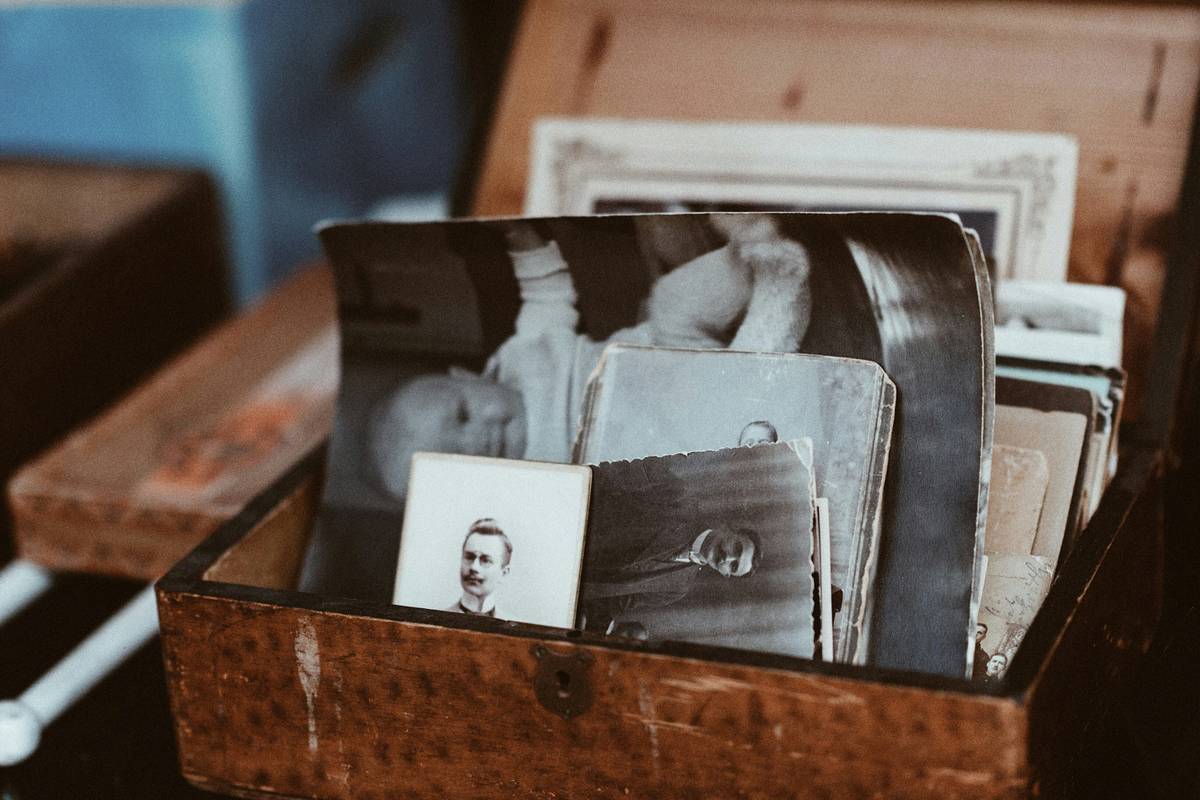
This disconnect fuels what I call the “Sentiment Gap”—where intention (to cherish) meets execution (to compartmentalize)—and collapses under pressure. That gap widens fastest when homes serve dual roles: as functional dwellings *and* generational archives. Which is why selecting the right decorative keepsake memory boxes isn’t decorative—it’s structural.
How to Choose & Use Your Box: A Step-by-Step Guide
Step 1: Audit Your “Memory Load” Before Buying
List every object type you plan to store (e.g., ultrasound photos, handwritten recipes, graduation tassels). Note dimensions, fragility, and sensitivity to light/moisture. A single box rarely fits all. Group like items first—then shop.
Step 2: Test the Lid Mechanics—Twice
Open and close the lid 15 times before purchase. Listen for grinding, cracking, or inconsistent resistance. Quality hinges use brass or stainless steel—not zinc alloy coated in gold paint that chips within months. Bonus: Lift one corner of the box—if the lid sags open, its tension is insufficient for long-term stability.
Step 3: Check Liner Adhesion With a Q-Tip
Gently rub cotton swab along liner edges. If fibers, dust, or dye transfer, discard it immediately. Archival-grade lining should be fully heat-bonded or stitched—not glued.
Step 4: Assign a “Monthly Ritual,” Not a “One-Time Fill”
Reserve the first Sunday of each month to add 1–3 meaningful items. Keep a small notepad inside with date, context, and names involved. This turns preservation into relationship—not task.
5 Best Practices You Won’t Find on Retail Labels
- Never stack decorative keepsake memory boxes vertically unless designed for it. Even slight weight shifts stress joins. Use tiered shelving instead—or rotate display quarterly.
- Use silica gel packets—but never directly against items. Place them in a separate fabric pouch inside the box, replacing every 6 months. Excess moisture warps paper; too little dries out botanicals.
- Photograph contents before closing. Save files in dated folders labeled with box ID (e.g., “Box-03-Mom-2024”). No app replaces tactile connection—but digital backup preserves intent.
- Rotate display positions seasonally. Sunlight fades inks and textiles; rotate boxes away from south-facing windows every 90 days, even if closed.
- Write context on an acid-free index card—not on the item itself. Ink migrates. Always preserve original surfaces intact.
Real Results: From Disorganized Drawer to Display-Worthy Ritual
Sarah M., a preschool teacher in Portland, had three generations’ worth of handmade ornaments, birthday cards, and cloth napkins stored in five plastic bins under her bed. After applying these methods—including swapping to two hand-stitched linen-lined decorative keepsake memory boxes and implementing monthly rituals—she reduced physical volume by 68%, increased engagement (her daughter now helps curate additions), and reported “less mental clutter even when the boxes sit closed.” She also shared photos of her curated shelf on our About Us page—proof that functional beauty starts with honesty, not perfection.
Frequently Asked Questions About Keepsake Storage
What’s the difference between a keepsake box and a memory box?
“Keepsake box” emphasizes function: storing physical objects (buttons, keys, hair strands). “Memory box” leans emotional—often used in grief counseling to hold symbolic tokens (a stone from a loved one’s favorite trail). The terms overlap heavily in retail—but archival science treats them identically: both require inert materials and consistent environmental control.
Can I store digital media like USB drives in decorative keepsake memory boxes?
Yes—but only in dedicated anti-static sleeves first, and only alongside silica gel. Standard USB ports corrode in ambient humidity above 45%. For long-term digital preservation, pair your decorative keepsake memory boxes with cloud backups (see our Privacy Policy for secure upload guidelines).
How often should I clean or refresh a decorative keepsake memory box?
Every 18–24 months. Wipe exterior with microfiber + distilled water (no vinegar, alcohol, or commercial cleaners). Replace silica gel and inspect liner integrity each time. Never submerge or wash internal components.
Are leather decorative keepsake memory boxes archival-safe?
Rarely—unless explicitly labeled “vegetable-tanned, chromium-free, and buffered.” Most commercial leathers contain tannins that migrate into paper. We recommend linen, cotton duck, or museum-grade polypropylene for true longevity.
Where can I get help designing a bespoke set?
We offer custom consultations to match aesthetic, function, and family needs—including engraving, divider systems, and archival certifications. Reach out via our Contact Us page—we respond within 12 business hours.
Preservation isn’t about freezing time. It’s about choosing what flows forward—intentionally, beautifully, with care that outlasts trends. Your memories aren’t background décor. They’re the quiet architecture of who you are.
So choose boxes that don’t whisper “store this.” Choose ones that say, “I see you.”